
 chloedickenson
Last Updated on 21st April 2026
This post about how to plan an Interrail trip for beginners contains mentions of previous collaborative work with Interrail and affiliate links throughout. Please see my disclaimer for more.
Are you hoping to embark on an epic Interrail adventure in Europe but not sure where to start when it comes to planning your perfect trip and itinerary? I’ve got you covered in my ultimate Interrail planning guide below all about how to use the Interrail Planner, where to go, how to book seat reservations, and more!
A European Interrail trip is something that’s on many people’s bucket lists, but when it comes to actually planning an Interrail trip, travellers often get a little overwhelmed with things like Interrail Passes, seat reservation fees, the difference between Eurail Passes and Interrail Passes, and much more.
Thankfully, after several months’ worth of Interrailing experience in total over the last few years, I’d like to think I’m somewhat of an expert when it comes to planning an Interrail trip in Europe which is exactly what I’m going to help you with today!
My ultimate Interrail planning guide below includes everything you need to know about how to plan an Interrail trip and itinerary in Europe!
EUROPE TRAVEL ESSENTIALS
🚆 Rail Passes: Interrail Pass / Eurail Pass
✈️ Flights: Skyscanner / Expedia / Trip.com
🏨 Accommodation: Booking.com / Hostelworld / TripAdvisor
📱 Europe eSIM: Airalo
⭐️ Activities/tours: GetYourGuide / Viator / Klook / Go City
🌎 Travel insurance: SafetyWing
🎒 Backpacking essentials: Amazon
How to plan an Interrail trip in Europe

In my Interrail journey planner and guide below, I’ve put together my top tips for planning your first Interrail trip in Europe. I’ll cover the following topics about Interrail planning to help you create your dream itinerary and route:
- Can you Interrail without planning?
- How to find the best Interrail Pass for you
- How to plan an Interrail route in Europe
- Ideal itineraries to follow to enjoy the perfect Interrailing trip
- The cost of Interrailing
- Information about seat reservations, which countries require seat reservations, and whether you need to plan for them
- How to use the Interrail Rail Planner app
- & more!
Can you Interrail without planning?
It’s definitely possible to embark on an Interrailing trip without planning too much in advance. On our most recent Interrail adventure in Europe, we didn’t book our accommodation more than a few days in advance as we wanted to be as open and as free to our plans changing as possible.
However, we only had the freedom and flexibility to do this because we were Interrailing towards the end of the winter months/beginning of spring (February to the beginning of April) when Interrail travel is much quieter and quite a lot cheaper than the peak summer months.
This meant that we didn’t have to worry about hotels and Airbnb accommodations being booked up too far in advance as Interrail travel during those months isn’t quite as popular.
If you’re planning an Interrail trip in the peak summer months or during the Christmas market season, however, I would definitely recommend being a bit more organised and planning your Interrail trip a bit more in advance.
This post about how to plan an Interrail trip for beginners will help you out with everything you need to know!
How to plan your Interrail route

Planning an Interrail route and itinerary can take a lot of consideration, especially if it’s your first time in Europe as you’ll likely want to visit as many cities and countries as possible!
With the Interrail Global Pass (more info on this below), you can visit up to 33 countries in Europe during the number of days/months of the pass that you choose (e.g. 4 days within 1 month, 15 days within 2 months, etc).
Deciding where to go on your Interrail trip will involve:
- Thinking about the places you most want to visit (do you want to see the top capital cities such as Paris, Rome, and Berlin or would you prefer more off-the-beaten-track destinations such as Freiburg, Odense, Bern, Bratislava, and Antwerp)?
- Considering when exactly you want to go and how long for (do you fancy seeing Europe in the summertime or would you prefer a romantic “winterrailing” adventure?).
- Thinking about your budget and how much you want to spend on your Interrailing trip. Do you want to experience an ultimate splash-out trip and visit expensive cities and countries such as Stockholm , Copenhagen, and Zurich or would you prefer to stick to cheaper places such as Budapest, Prague, Gdansk, and Bucharest?
- Deciding whether you’ll need to book seat reservations for your train journeys in Europe.
- Considering whether you’ll need to book your accommodation in advance (this will be more important if you’re travelling in peak Interrailing seasons such as summer and during the festive period).
Let’s take a look at each point above to help you plan your Interrail route and itinerary in Europe!
Where do you want to visit?
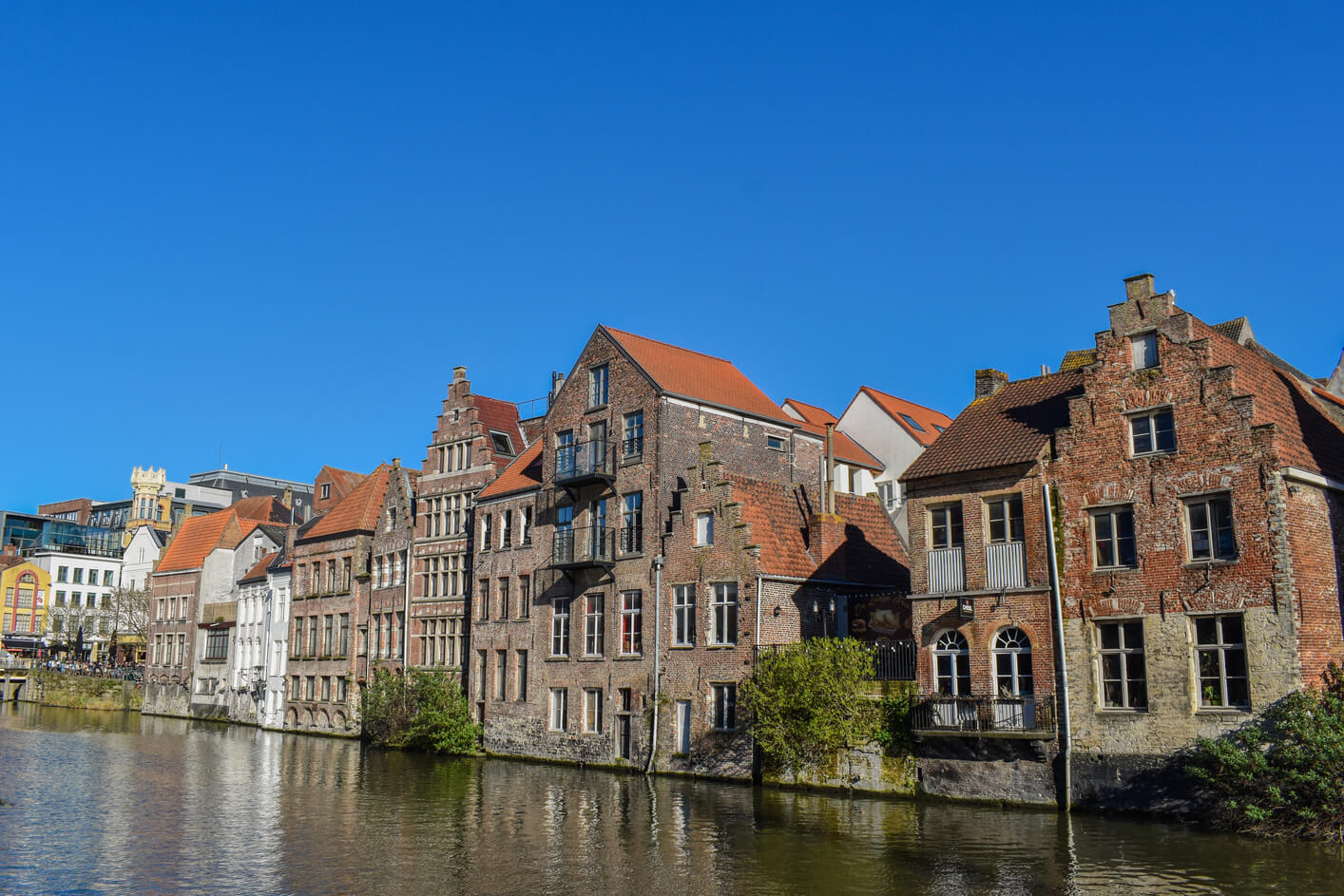
Choosing where to visit on your Interrail trip is obviously one of the most important considerations you’ll need to factor in when it comes to planning your Interrail itinerary.
There are several things you can think about in order to determine your ideal Interrail trip, including:
- Do you want to visit the top capital cities in Europe?
- Would you prefer a trip that encompasses more lesser-known destinations?
- Is a trip centred around the food of each destination you visit the most important factor?
- What about the weather? Would you prefer to see Europe in the summertime or are you hoping for a magical winter wonderland adventure?
- Do you want to experience the party, nightlife and festival scene in Europe or are you more inclined to enjoy a gentler pace while Interrailing throughout the continent?
Once you’ve thought about these factors, you’ll then need to decide when you want to travel and for how long.
With the Interrail/Eurail Global Pass, you can choose a pass length that suits how long you want to travel. The passes range from 4 days within 1 month to 3 months of consecutive travel, with many options in between, so you’re guaranteed to find a pass that suits your trip needs and wants.
I would recommend trying to spend between 2 and 5 days in each place that you visit (depending on where exactly you’ll be travelling to).
In the section below about my itinerary inspiration for spending 2 months or 2 weeks in Europe, I’ve shared how many days I’d recommend spending in each city to give you an idea of how much time you might want to allocate for an Interrail trip.
Seat reservations
Seat reservations are usually the most confusing part of planning an Interrail trip as it can be tricky to know when you need to use them.
While an Interrail Pass is a great way to save money on train travel throughout Europe, there are some journeys (such as some night trains, popular high-speed routes, and some countries in general) that require you to purchase a seat reservation in addition to your Interrail/Eurail Pass in order to travel on a particular train.
You can only purchase seat reservations once you’ve purchased your Interrail Pass, but it’s a good idea to check whether your intended Interrail itinerary will require seat reservations before you purchase the Pass to see whether an Interrail Pass is worth the money for you.
Most journeys and routes in Europe don’t require seat reservations, but there are some journeys, especially in countries such as France, Italy, Spain, and Sweden, that do require seat reservations for most of their trains.
Seat reservations vary in cost depending on the country you’re travelling in/to, the length of the journey and whether it’s an overnight train or a high-speed train. They usually start from €2 for shorter journeys to €60+ for some journeys such as the Eurostar from London to Paris, for example.
Below, I’ve put together a brief list of some of the most popular train routes and journeys in Europe that require a seat reservation, as well as how much they usually cost to book on top of your Interrail Pass.
- Paris to Amsterdam – from €34 for the 3-and-a-half-hour journey.
- Madrid to Barcelona – from €12 for the 3-hour journey.
- Rome to Venice – from €15 for the 4-hour journey.
- Berlin to Prague – from €8 for the 3-and-a-half-hour journey.
- Stockholm to Copenhagen – from €6 for the 5 hours and 30-minute journey.
- Brussels to London – from €37 for Eurostar reservation tickets.
The above are just a few examples of when you will need a seat reservation on your Interrail trip; make sure to check the Interrail website or use the Rail Planner app to see if your intended journey requires a seat reservation.
Interrail planning – route & itinerary inspiration
I’ve put together a few Interrail itineraries on my blog, including my ultimate 2-month Interrailing trip, my 1-month Interrailing itinerary, and a shorter 2-week Europe train itinerary to give you some inspiration for your own trip!
If my 2-month Europe Interrail route doesn’t take your fancy, you can download the Interrail Route Planner Map in pdf form here or via the Rail Planner Interrail website here to plan your own European train adventure!


Image credit (above): Interrail map of Europe
How to find the best Interrail Pass for you
The Interrail Pass (or Eurail Pass if you’re a traveller who lives outside of European countries, such as America, New Zealand, Australia etc), is a train ticket that allows you to travel in/through 30,000 destinations across 33 countries in Europe.
Note: If you’re from the United Kingdom, you can still use the Interrail Pass even after Brexit.
There are two different types of Interrail Pass that you can purchase; the Interrail Global Pass, which allows you to travel in up to the 33 countries included in the Pass and the Interrail One Country Pass, which you can use to explore as much of just one country as possible.
When it comes to planning your perfect Interrail trip, you’ll need to decide which Interrail (or Eurail – for non-European citizens and residents) Pass is best for you and your trip.
As part of the Interrail Global Pass options, there are 10 different rail passes to choose from. Below, I’ve put together a list of the cost for second-class Interrail Global Pass tickets for both youths (first price listed) and adults (second price listed).
- 4 days within 1 month – €212 | €283
- 5 days within 1 month – €239 | €318
- 7 days within 1 month – €286 | €381
- 10 days within 2 months – €335 | €447
- 15 days within 2 months – €415 | €553
- 15 days (consecutive) – €357 | €476
- 22 days (consecutive) – €440 | €586
- 1 month (consecutive) – €522 | €696
- 2 months (consecutive) – €620 | €826
- 3 months (consecutive) – €717 | €956
How much money do you need for an Interrailing trip?

If you’re wondering “How much do you need per day for Interrailing?” the (annoying!) answer is that the cost of an Interrail trip can vary enormously depending on the length of your trip, the countries you visit, and the timing of your trip (e.g. whether you travel in the cheaper shoulder seasons or during the peak summer months).
As an example, our 6-week Interrail trip in Europe across 7 countries and 21 cities (including expensive places such as Copenhagen, Stockholm and Zurich, plus €1000 each for a week of skiing in Switzerland) cost us £2,992.21 each (£66.49 each per day).
For some people, this would be an extortionate amount of money to spend on just one trip, but when you consider just how many places we visited in 6 weeks, plus the fact that we experienced a full week of skiing in one of the most expensive countries in the world, I really don’t think it’s too bad at all!
The factors you’ll need to account for when planning your Interrail budget include:
- The cost of your Interrail/Eurail Pass.
- Extra travel costs such as seat reservations, local transport costs in cities, initial flight costs (if you’ll be flying into Europe to start your Interrailing trip), and more.
- Accommodation costs.
- Activities, attractions and shopping costs.
- Food and drink costs.
- Miscellaneous costs such as an eSIM, travel insurance, ATM withdrawals, laundry, and city tax (which is required for accommodation in some countries such as Switzerland).
- Unexpected costs.
Top tips for Interrail planning – summary
- Be flexible – while this post is all about how to plan your Interrail trip, I do think it’s also important to try and be flexible with your plans. Not only will this mean that you’re prepared for your plans to change as you travel (and they very likely will!) but it will also mean that you’re less stressed when things go wrong (which they very well might!). We always try to be as flexible as possible when travelling anywhere in the world as it allows more room for freedom and adventure!
- Consider your budget – Interrailing in Europe can be pretty expensive; we spent £2,992.21 each (£66.49 each per day) for a 6-week Interrailing trip between February and April 2023 which is much cheaper than our USA road trip budget in 2022, but it’s still a decent chunk of money! If you know the intended dates of your Interrail trip, try and save as much money beforehand so you’re well prepared for the costs!
- Research the right Interrail Pass for you – I’ve already covered in detail the different types of Interrail Passes available and the difference between the Eurail Pass and Interrail Pass, but I just want to reiterate the need to determine which Interrail/Eurail Pass you’ll need for the length of trip you want to embark on!
- Remember to book seat reservations in advance – This is especially important if you’re planning an Interrail trip in the peak summer months or during the Christmas/holiday market season as seat reservations on popular routes (such as Paris to Amsterdam, Berlin to Prague, and Vienna to Budapest etc).
- Download the Interrail Rail Planner app before your trip – The Interrail Rail Planner app can be used to add your Interrail Pass, plan Interrail journeys, check train times, book seat reservations and more.
- Download Offline Google Maps before your trip – If you’re a European citizen about to embark on an Interrail trip, you might have a phone plan that includes data and roaming in European countries, but if not, it’s a good idea to download offline maps via Google Maps so that you can use them without needing to be connected to the internet.
- Consider purchasing an eSIM – if you don’t have a phone plan that works in Europe and you’re not sure about relying on downloaded Google Maps, consider purchasing an eSIM to make your travels much easier. We’ve used an Airalo eSIM in dozens of countries and it always works perfectly!
Conclusion – how to plan an Interrail trip
I hope you’ve found this Interrail planning guide useful and informative and I hope it’s made you even more excited to plan your Interrail route in Europe!


Has this post about planning an Interrail trip helped you to plan your own train travel adventures in Europe? Let me know in the comments or in my Interrail Planning Tips Facebook Group!


Some good tips here, just note that you CAN buy most seat reservations before you have your Interrail ticket, just some connections need your pass number. Also, Interrail has NOTHING to do the with EU, and the countries covered do not match the EU members map (there’s a few more), so it’s better to speak or Europe rather than EU in your texts and tips! Finally, the best tip is to NOT use the official Interrail app with timetable for anything else than general planning and registering your trips – the timetable is not reliable and their seat reservation indications are often dead wrong. Book reservations only via local operators and use their apps for travel info – see DB, OBB, CD, SBB, Trenitalia, GWR etc.
Thanks for sharing, some great tips for planning an interrailing trip, which does sound tempting to me, planning the route you want to go on is so important and budgeting for the extras that might come up 🙂
Thank you so much for your comment, I’m so glad you found this guide useful!