 chloedickenson
Last Updated on 21st April 2026
This post about backpacking Europe cost contains affiliate links and mentions of previous collaborative work with Interrail. Please see my disclaimer for more.
If you’re wondering “How much does it cost to backpack Europe?”, you’ve come to the right place! In my detailed backpacking Europe cost guide below, I’m sharing everything you need to know about backpacking Europe on a budget and how much you can expect to spend in 10 different European countries!
I’ve been lucky enough to visit Europe on several different backpacking trips. I’ve explored parts of Europe on individual city breaks, I’ve taken multiple multi-week/month Interrailing trips (check out my 2-week Interrail itinerary, my 1-month Interrail guide and my 2-month Interrail route) and I’ve also taken numerous backpacking trips in between.
When it comes to writing budgeting posts on my blog, I don’t shy away from the details (check out my one-month New York budget post, my Dubrovnik budget post, my 3-month USA road trip budget guide and my 3-month New Zealand spending post).
In this guide about the cost of backpacking Europe, I’ll be sharing everything you need to know, including:
- The cheapest and most expensive countries to travel to in Europe
- The cost of everything from hotels to hostels to food to alcohol to activities and attractions
- The cost of backpacking Europe for 1, 2 and 3 months
- Plus, my top tips for backpacking Europe on a budget
Without further ado, let’s get into this post about the cost of backpacking Europe!
Please note that most of the currency featured throughout this post is in GBP as this is the currency that I work with the most. You can use a currency converter from GBP to EUR if you want to check the prices in Euros.
EUROPE TRAVEL ESSENTIALS
🚆 Rail Passes: Interrail Pass / Eurail Pass
✈️ Flights: Skyscanner / Expedia / Trip.com
🏨 Accommodation: Booking.com / Hostelworld / TripAdvisor
📱 Europe eSIM: Airalo
⭐️ Activities/tours: GetYourGuide / Viator / Klook / Go City
🌎 Travel insurance: SafetyWing
🎒 Backpacking essentials: Amazon
How much does it cost to backpack Europe in 2026?

The cost of backpacking in Europe varies enormously depending on the countries you’re travelling to. Europe is a huge continent with 45 official countries, so determining how much it costs to visit Europe really depends on the countries you plan to visit.
For example, travelling to Western Europe countries such as Switzerland, Sweden, Denmark, and Iceland is likely to be much more expensive than travelling to Balkan, Baltic, and Central European countries such as Poland, Latvia, Slovakia, Czechia, and Hungary.
As a general rule, you can expect to spend anywhere between £40 and £100 a day backpacking in most countries in Europe.
For the purpose of this guide, I’ve included the approximate cost of backpacking in different European countries to give you a varied and unbiased expectation of backpacking costs in each country.
You’ll find the following countries featured throughout this guide to backpacking Europe to give you an idea of how much you can expect to spend:
- United Kingdom
- Czechia
- The Netherlands
- Portugal
- France
- Italy
- Hungary
- Germany
By travelling to countries in both Eastern and Western Europe, you’ll be able to achieve a fairly mid-range daily cost of around £50-£80 in most countries, but it also depends on other factors such as:
- When you travel to Europe (the peak summer months and the Christmas/winter holidays will be much more expensive).
- Whether you stay in hostels, hotels, Airbnb or a combination of all three.
- Whether you prioritise spending money on food and alcohol, or you’re happy to eat food from local supermarkets and convenience stores.
- Your daily activities and attractions.
- How long you plan to travel.
Most expensive countries to backpack in Europe
Some of the most expensive countries in Europe include:
- Iceland
- UK
- Switzerland
- Denmark
- Sweden
- Norway
- Finland
- Ireland
- Monaco
Cheapest backpacking Europe routes
Europe certainly has many expensive countries such as the ones listed above, but there are also plenty of countries to visit in Europe that will dramatically reduce your backpacking budget:
Mid-range budget countries in Europe
The below countries can be enjoyed on both a luxury budget and an affordable backpacking budget, depending on where you want to allocate your money:
Backpacking Europe cost example
To give you an example of how much it can cost to backpack Europe, I’ve shared my exact backpacking Europe budget from my 6-week Interrailing trip in early 2023.
We spent 6 weeks Interrailing across 7 countries and 21 cities in Europe (Italy, Switzerland, Germany, Denmark, Sweden, Belgium, and the UK) and the trip also included a 1-week stay at a ski resort in Switzerland where we had our food, accommodation, transport and ski lessons included in the price we paid.
*Note, we received complimentary Interrail Passes worth £578 each which helped us to save £1,814.09 each on trains throughout Europe for 6 weeks. Please note these figures are also accurate as of 2023.
- Accommodation – £1,846.70 each (includes the cost of staying in a ski hostel for one week).
- Food (meals and drinks at restaurants) – £450.30 each
- Food (groceries) – £242.15 each
- Activities – £83.10 each
- Transport costs (excluding Interrail Pass) – £230.05 each
- Miscellaneous travel costs (insurance, laundry, ATM withdrawals) – £139.96 each
Total cost for 6 weeks in Europe (7 countries and 21 cities): £2,992.26 each – £66.49 each per day.
£66 per day for a backpacking trip in Europe for 6 weeks really isn’t too bad considering we visited multiple Nordic countries, plus we spent a week skiing in Switzerland (one of the most notoriously expensive countries in the world!).
How much do hostels cost in Europe?

It goes without saying that hostels in Europe are by far the cheapest accommodation option for your backpacking adventure.
Hostels in Europe can cost as little as £8 a night for dorms in Poland in the off-season all the way to £130+ for a dorm room in cities like Geneva, Lisbon, and Reykjavik in the height of summer.
In general, you can expect to pay between £10 and £30 in less expensive cities and countries (such as the ones featured above) and between £30 and £70 in more expensive cities and countries.
I would recommend budgeting an average of £20 to £50 per night in hostels for your backpacking accommodation in Europe if you plan to visit both cheap and expensive cities in Eastern and Western Europe.
For a one-month backpacking trip in Europe, this would work out between £600 and £1500 on accommodation alone. Of course, it is possible to do it for much cheaper if you plan to go backpacking in Europe in the off-seasons (between January and April and September and November) and if you only want to visit super cheap countries/cities, but otherwise, this is probably what you can expect to pay.
Below, you can find the average price of a shared dorm room in hostels for one night in the middle of July in some of the most popular backpacking cities in Europe, according to Hostelworld:
Click on each European city below to check hostel prices.
- London – from £20 to £50
- Prague – from £15 to £30
- Amsterdam – from £25 to £50
- Lisbon – from £20 to £40
- Paris – from £35 to £55
- Rome – from £35 to £60
- Budapest – from £15 to £35
- Berlin – from £25 to £50
Remember that you’ll definitely find cheaper options, these figures are just the average price in each city throughout the year according to Hostelworld. I chose to show the prices for hostels in each of these cities in July to show you the most expensive average price you can expect to pay.
How much do hotels cost in Europe?

Staying in hotels during your Europe trip will very quickly increase your travel budget as hotels in Europe, particularly in the more expensive countries, can cost upwards of £100 a night, even for the most basic rooms!
I’ve put together a list of the lowest price of a standard hotel room for one night in each of the cities below in the middle of July according to Booking.com. Again, I’ve chosen one of the most expensive times of year to travel to show you the upper end of what you can expect to pay for a backpacking trip in Europe for 1 month, 2 months, or 3 months.
Click on each European city below to check hotel prices.
- London – from £60
- Prague – from £50
- Amsterdam – from £80
- Lisbon – from £50
- Paris – from £80
- Rome – from £80
- Budapest – from £40
- Berlin – from £60
Remember, the above prices show the lowest rate you can expect to pay for a standard hotel room in the middle of July in each city.
Based on the prices above, you’ll be looking to pay between £40 and £80 per night for a super basic hotel room in Europe. If you’re planning to spend 2 months in Europe, this would work out between £2,400 and £4,800, just for your accommodation alone!
Hotels in Europe are not cheap, so if you’re looking to keep your budget for backpacking Europe as low as possible, I would recommend staying in hostels or travelling to Europe during the off-season when hotels will be much cheaper than during the busy summer months.
How much does food cost in Europe?

The price of food is actually one of the best ways to keep your Europe backpacking trip cost as low as possible as there are so many great ways to eat cheap food in Europe.
Of course, it’s not quite as cheap as street food in Southeast Asia, for example, but you can eat in Europe for as little as £15 to £30 a day in some places (sometimes even less!).
In more expensive countries such as the UK, Switzerland, and Denmark, your food budget might cost upwards of £25 a day for three meals, but even then, there are still ways to keep costs low.
Check out some of my tips below for budgeting for food costs in Europe:
- Take advantage of Meal Deals from local supermarkets such as Tesco, Co-op and Sainsbury’s in the UK – you can get a sandwich/wrap/pasta pot, a snack such as crisps or a chocolate bar and a drink for as little as £3.85!
- In countries such as Germany, Italy and Switzerland, head to local bakeries and supermarkets such as Aldi, Lidl and Co-op to get breakfast pastries for as little as £1.
- Stay in hostels/hotels that include free breakfast – eat a huge breakfast in the morning that should take you right through to dinner time!
- Make your own lunch/dinner in your accommodation – this might be harder to do if you’re not staying somewhere with a kitchen, but making sandwiches/noodles/pasta for lunch and dinner can really save you money on food costs in Europe.
- Research the best places to eat in each city – Meals out in Europe can often cost upwards of £30 per person, so try to choose where you want to eat carefully to ensure that it’s worth spending the money.
- Look out for food stalls and trucks – they’re not as common as in Asia, but you’ll still find that most European cities have their own version of street food stalls.
Trying new food is one of my favourite and most important elements of travelling, so it’s not an area that I particularly hold back in when it comes to my travel budget.
Allocating a daily budget of around £15 to £30 should cover you for most meals in most countries/cities in Europe. You can eat for much cheaper in Eastern European countries or by using my food budgeting tips above, but if you want to experience the local cuisine of each place you’ll be travelling to, you may want to allocate a higher backpacking budget for your food costs.
How much does alcohol cost in Europe?

Alcohol in Europe can be super expensive when you buy it from bars and restaurants, but it can also be super cheap when buying it from local convenience stores or supermarkets.
Below, I’ve included the average price of a pint of beer in our example European cities used throughout this guide:
- London – £6.75
- Prague – £2.50
- Amsterdam – £5.50
- Lisbon – £2.50
- Paris – £6
- Rome – £4.50
- Budapest – £2.50
- Berlin – £4
- Copenhagen – £6.50
- Zurich – £7
How much do activities and attractions cost in Europe?
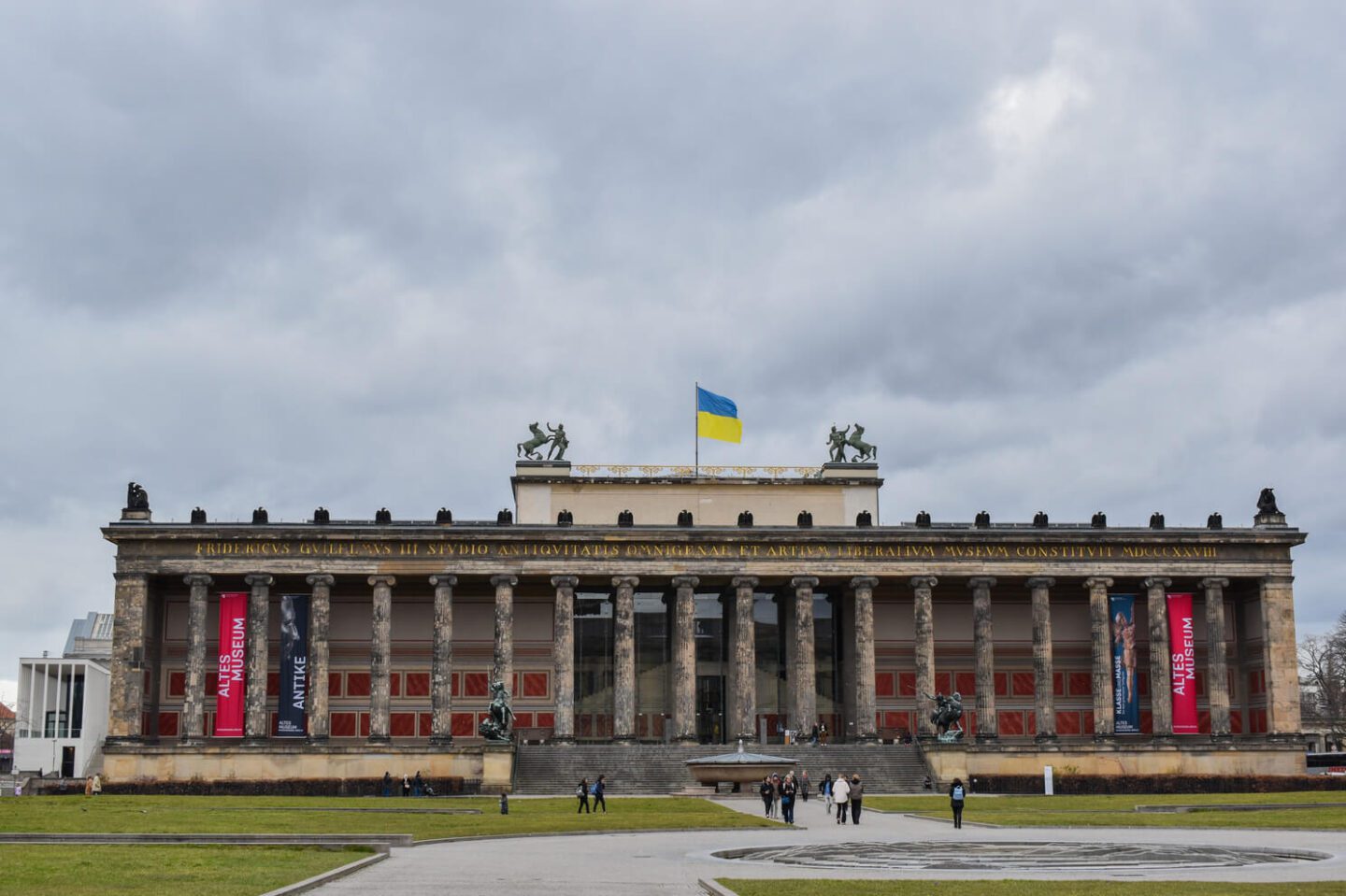
Europe is such an amazing place to travel to as there are so many wonderful things you can enjoy for free.
From admiring the Eiffel Tower in Paris to seeing Buckingham Palace in London to strolling the canals of Venice and experiencing many free museums in Berlin, Copenhagen, Rome, and more, there are plenty of free activities and attractions to enjoy in every major European city.
However, the paid-for attractions and activities in Europe can also cost a pretty penny, so it’s a good idea to think about the kind of experiences you want to enjoy in order to determine an appropriate budget for your Europe backpacking trip.
Below, I’ve put together a list of some of the most popular paid-for tours, attractions and activities in major European cities so you can see how much things cost.
- London – London Eye from £29
- Prague – Prague Castle from £16
- Amsterdam – Canal cruise from £17
- Lisbon – Pena Palace and Sintra from £38
- Paris – The Louvre from £20
- Rome – Colosseum from £40
- Budapest – Sightseeing cruise from £13
- Berlin – Berlin TV Tower from £27
As you can see from the list above, some attractions and activities in Europe can be pretty expensive, especially if you want to experience multiple things in each city.
However, there are also plenty of free things to enjoy such as museums, parks and general sightseeing throughout each city.
I’d recommend setting aside a budget of around £100 to £200 a month for tours, activities, and attractions during your backpacking trip in Europe and then try to take advantage of as many free tours as possible!
How much does public transport cost in Europe?
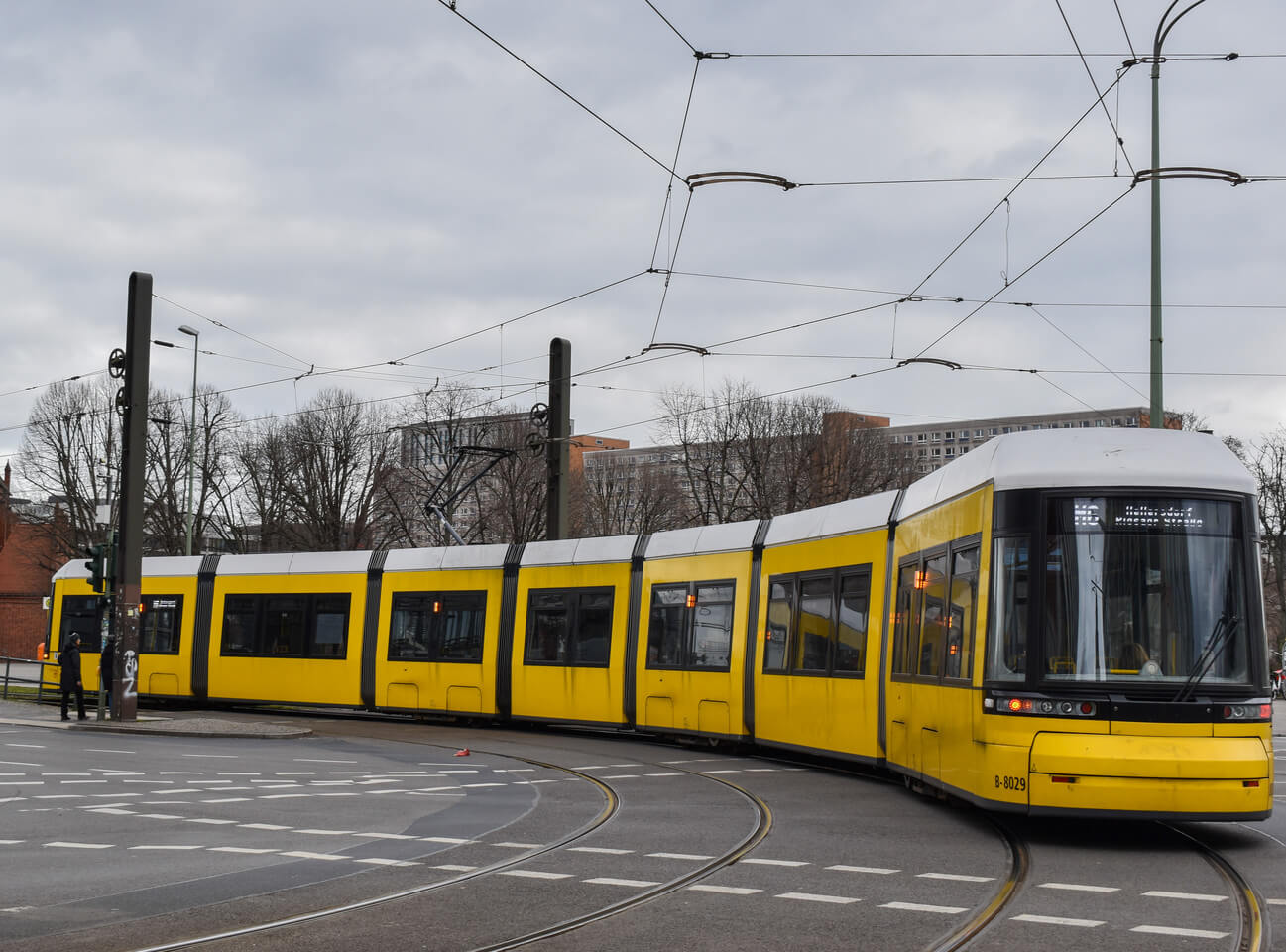
Along with accommodation costs, transportation is likely going to be one of your biggest expenses during your Europe backpacking trip, especially if you have to factor in the cost of getting to Europe in the first place if you’re travelling from a different continent.
Travelling via plane in Europe is usually pretty cheap (you can get one-way flights for as little as £10 in most major cities). However, travelling by plane in Europe isn’t necessarily the easiest mode of transport, so I’d recommend Interrailing or hiring a car instead.
Interrailing is my favourite way to travel around Europe as a backpacker as it’s super easy, convenient and often cheap (depending on which countries you visit).
Check out more of my Interrailing content here:
- Interrail Planning Tips For Beginners – How To Plan An Interrail Trip
- Is The Interrail Pass Worth It? An Honest Interrail Review
- The Ultimate 2 Month Europe Interrail Itinerary & Route
- How Much Does Interrailing Cost? Interrail Budget For 6 Weeks
- The Ultimate 2 Week Europe Interrail Itinerary & Route
An Interrail/Eurail Pass (for adults aged 28+) can cost anywhere between £249 for a “4 days within 1 month” pass to £841 for a 3-month consecutive pass.
This is a huge upfront cost, but if you’re planning a 3 month Europe trip with lots of train journeys across many countries and cities, this would work out at only £9.34 a day (if you bought the 3-month consecutive pass)!
On our Interrailing trip at the beginning of 2023, we saved a whopping £1,814.09 each on trains throughout Europe for 6 weeks by having the “15 days within 2 months” Interrail Pass.
Point-to-point individual train tickets in Europe can be incredibly expensive (see some examples below), so if you’re planning to use trains to travel around Europe, I would recommend looking at the different Interrail Passes available.
Examples of individual train journeys in Europe and their costs:
Note – the below prices are based on the same formula as the above calculations of a Europe backpacking trip in July.
- London to Paris – from £53
- Paris to Berlin – from £54
- Berlin to Prague – from £20
- Prague to Vienna – from £14
- Vienna to Munich – from £20
- Stockholm to Copenhagen – from £70
- Zurich to Milan – from £30
- Milan to Rome – from £20
As you can see, some of the train journeys in Europe can cost over £70 for a single train ticket, whereas some are much more affordable.
In order to work out your budget for transportation in Europe, you need to work out the mode of transport you want to use to travel across the continent.
Bus transportation costs
Bus transportation in Europe is usually much cheaper than travelling by train, but the journeys can be very long and arduous, meaning that you’ll likely spend a lot of your time just travelling to and from places, rather than experiencing them.
Flixbus is a great bus company that operates across 3,000 destinations in 35 countries across Europe, with some journeys costing as little as £5. We’ve used Flixbus both in Europe and the USA and while they are very basic means of transportation, they are super cheap and usually very reliable.
Examples of individual bus journeys in Europe and their costs:
Note – the below prices are based on the same formula as the above calculations of a Europe backpacking trip in July.
- London to Paris – from £28
- Berlin to Prague – from £19
- Prague to Vienna – from £16
- Vienna to Munich – from £18
- Zurich to Milan – from £22
- Milan to Rome – from £18
- Lisbon to Madrid – from £16
Public transport costs
Public transport in Europe, however, can be relatively affordable, especially in cities where they have a metro system.
Below, I’ve put together a list of some of the most popular backpacking European cities and the cost of public transport in each destination.
- London – single bus fare from £1.75, single Tube fare from £3
- Prague – single Metro fare from €1.50 for 30 minutes, day ticket from €5.80
- Amsterdam – single tram or bus ticket from €3.40, day ticket from €10
- Lisbon – single tram, bus or metro fare from €1.90, day ticket from €7.25
- Paris – single fare from €2.55, day ticket from €12.30
- Rome – single fare from €1.50, day ticket from €8.50
- Budapest – single fare from €1.40, day ticket from €7.60
- Berlin – single fare from €4, day ticket from €11.20
Single journeys on public transport in most cities in Europe are super cheap, but if you’re staying a little outside of the city centre and you’re relying on public transport a lot, these costs can soon add up.
If you’re planning to spend a few days at a time in each place, it’s worth considering a daily/multi-day public transport ticket (if the city allows) in order to save money on your European backpacking transportation costs.
How much does it cost to backpack Europe for 1 month?
Based on the approximate calculations above for a backpacking Europe budget, you can expect to pay between £1,200 and £3,000 for a 1 month backpacking trip in Europe.
£1,200 would be on the low end of the budget scale for a Europe trip for one month, so set your backpacking budget for one month closer to £3,000 to account for extra costs, especially if you’re travelling in the peak summer season.
2 month Europe trip cost
Based on the similar calculations above, a 2 month Europe backpacking trip can cost between £2,500 and £6,000.
As I mentioned above, you might be able to take advantage of long-term accommodation discounts and you’ll also have the ability to buy groceries in bulk by backpacking Europe for longer.
3 month Europe trip budget
3 months backpacking in Europe can cost anywhere between £3,600 and £9,000.
This is obviously a huge range and will vary enormously depending on the countries you visit and how frugally you want to travel. You can probably expect a more realistic figure of £6,000 to £8,000 for a 3 month Europe trip budget as the longer you travel, the more your costs reduce (generally!).
How much does it cost to backpack Europe for a year?
Backpacking Europe for a year would likely cost you between £14,000 and £36,000.
Of course, I’m aware that this is a huge range as it will depend massively on how slow you travel, where you visit, how long you stay in each place, the type of accommodation you opt for and much more.
You’ll be looking to pay upwards of £30,000 a year to backpack Europe if you’re spending a lot of time in expensive Western and Nordic countries.
However, a budget of around £20,000 would be more realistic if you can travel on a super tight budget in much cheaper countries.
Top travel tips for backpacking Europe on a budget

- Check whether an Interrail Pass could save you money if you plan to travel Europe by train.
- Consider travelling on overnight trains if you want to save on transport costs, especially if you travel long distances.
- Use companies such as Flixbus for cheap bus transportation throughout Europe.
- Take advantage of free walking tours. Most big cities in Europe offer walking tours of some kind and not only are they a great way to learn more about a new city, but it’ll also save you a chunk of money for your backpacking budget!
- Cook your own meals in hostels and apartments to save money on groceries and meals out.
- Plan your backpacking trip in Europe in the off-season (January to April or September to November) to enjoy reduced costs on almost everything.
- Ensure that you have travel insurance before your trip. We’ve used Safetywing for years and they offer policies for as little as £1.66 a day!
- Travel slowly – while this might not be possible if you’ve only got a certain amount of annual leave per year, travelling slowly can actually help to reduce the cost of backpacking Europe as you can enjoy long-term discounts on hostels and Airbnbs and you’ll also be able to buy groceries in bulk by staying in one place for longer, which will make things cheaper.
- Buy alcohol from the supermarket. Alcohol in bars and restaurants in Europe can be super expensive, but bottles of wine and crates of beer are much cheaper from the supermarket.
- Use an eSIM for data in Europe. If you don’t have a phone plan that covers international data in Europe, consider getting an eSIM so you can use your data while travelling. We’ve been using Airalo for a few months now and you can get 5GB of data for 30 days for as little as £15.50.
- Remember to account for miscellaneous costs such as city tax (Switzerland has city tax on accommodation), laundry, souvenirs, toiletries, emergency transport etc.
Conclusion – how much does backpacking Europe cost?
I hope you found this post about the cost of backpacking Europe useful and I hope it helps you to plan your very own dream backpacking trip to Europe!


How much did you think it would cost to backpack Europe? Is it more or less than what you expected? Let me know in the comments or in my Interrail Facebook Group!


Thanks for sharing, I have been looking into doing a holiday simular to backpacking through Europe using interrailing, I suppose it would cost a lot of money, but if you plan to use the cheapest options then you save a little bit along the way, will bookmark to use when planning my holiday
Budgeting for a European backpacking trip is crucial. This breakdown offers realistic insights into potential expenses.